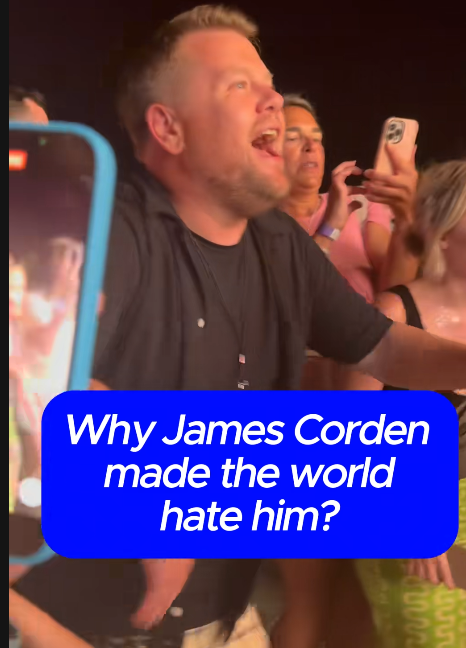
James Corden went from beloved late‑night host and viral‑video king to one of the most polarizing figures in entertainment. This isn’t only about one moment — it’s a mix of behavior, high visibility, and the way the internet reacts. Here’s a clear breakdown that’ll help your audience understand why the backlash grew so loud.
1. A series of public incidents stacked up
Small controversies and awkward interactions—on red carpets, during sketches, and in interviews—built into a larger narrative. Each new clip or quote added fuel to a growing perception that he was often the instigator rather than the punchline.
@heeloily.zombieape Why James corden made the world hate him #celebrities #foryou #actors #us #movie #celebrity #hollywood
2. Viral clips changed the story
Short, shareable videos amplified his most uncomfortable moments and stripped them of context. What might once have been a one‑off flub became permanent social media evidence that people replay, meme, and judge.
3. Perception of entitlement and mean‑spirited humor
Critics pointed to sketches and segments that came off as mocking or humiliating toward guests and strangers. Over time, that pattern made viewers read intent where there may have been none — and assume arrogance rather than playfulness.
4. Media fatigue and cancel culture dynamics
When a public figure appears in repeated negative stories, audiences get tired. New mistakes compound past ones and make empathy rare. Online outrage then becomes self‑sustaining: every new incident is framed through the lens of previous ones.
5. Career moves and visibility choices mattered
High‑profile projects and constant media presence make every action more consequential. The more you’re seen, the less room there is for private repair or forgotten slip‑ups.
Bottom line
The backlash against James Corden is the product of repeated moments, viral amplification, and a cultural moment that’s quick to judge and slow to forgive. That doesn’t automatically mean every criticism is fair — but it does explain why the anger felt so big.
What do you think? Is Corden a better offender of tone than intent, or do repeated moments show a deeper problem? Drop your take below.
Leave a Reply